

Peptide Binders The drug-targeting game changer

mission

To revolutionize therapeutics for neurological injury and disease.
Problem
Targeting the brain/CNS often requires large antibody structures that have diffusion limitations and high discovery and production costs. 
Solution
Peptide Binders (PBx) offers high-throughput macromolecular assembly and discovery of targeting peptide(s) for neuropathology.

opportunities / technology

Traumatic Brain Injuries
69,473
TBI-related Deaths in 2021
214,110
TBI-Related
Hospitalizations in 2020
This represents more than 586 TBI-related hospitalizations and 190 TBI-related deaths per day. 
Technology

peptide binders helps to target the injured brain for improved care.
Traumatic Brain Injuries
There were approximately 214,110 TBI-related hospitalizations in 2020 and 69,473 TBI-related deaths in 2021. This represents more than 586 TBI-related hospitalizations and 190 TBI-related deaths per day. 
Technology

peptide binders helps to target the injured brain for improved care.

Neurodegenerative Diseases

1 In 3
People are affected by neurological conditions, making it the leading cause of illness and disability worldwide.
It is predicted that by 2060 the incidence of Alzheimer’s Disease patients in the U.S. will double. 
Technology

peptide binders helps to target the injured brain for improved care.

Neurodegenerative Diseases
One in three people are affected by neurological conditions, making it the leading cause of illness and disability worldwide. It is predicted that by 2060 the incidence of Alzheimer’s Disease patients in the U.S. will double. 
Technology

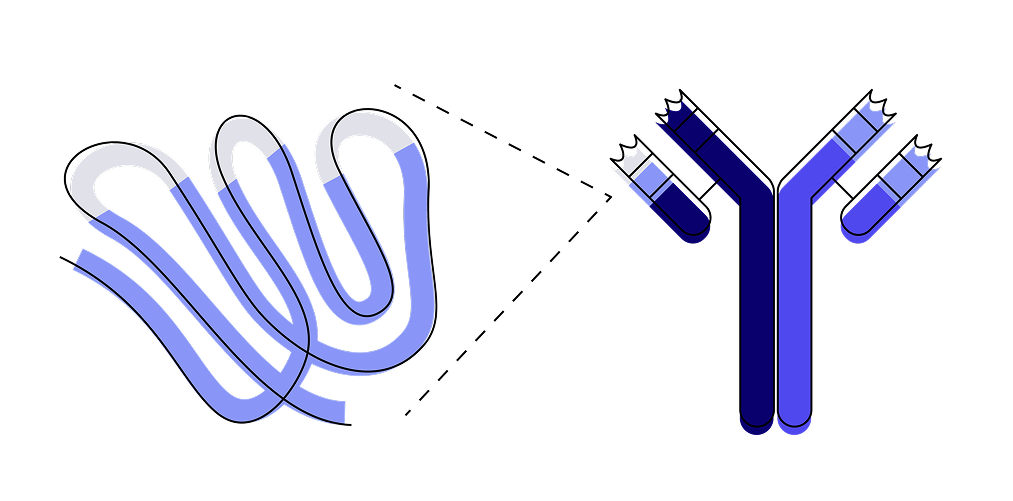
peptide binders helps by miniaturizing antibodies via structural peptide technology.

news

team
Chris Diehnelt, PhD  
Dr. Chris Diehnelt is the co-founder and CEO for Peptide Binders. He was formerly a research faculty member at ASU where his group developed multiple peptide drug discovery and development technologies including the core-IP for Peptide Binders. He has published 30 papers, has 12 patents, and has founded or co-founded three companies.
Sarah Stabenfeldt, PhD
Dr. Sarah Stabenfeldt is a co-founder of Peptide Binders. She is also a Professor at Arizona State University’s School of Biological and Health Systems Engineering. Her current research projects span from nanoparticle delivery after brain injury to neural injury biomarker discovery to neural tissue engineering/regenerative medicine.  She has received several prestigious awards for her work.
Gregory Jensen, PhD
Dr. Greg Jensen received his PhD in Chemical Engineering from Arizona State University in 2025, where he developed smart biomaterials for traumatic brain injury treatment. He has expertise in organic syntheses, material development and characterization, as well as neural tissue engineering. As a graduate student at ASU he published multiple articles and won several awards for his research.

team

Chris Diehnelt, PhD  
Dr. Chris Diehnelt is the co-founder and CEO for Peptide Binders. He was formerly a research faculty member at ASU where his group developed multiple peptide drug discovery and development technologies including the core-IP for Peptide Binders. He has published 30 papers, has 12 patents, and has founded or co-founded three companies.
Sarah Stabenfeldt, PhD
Dr. Sarah Stabenfeldt is a co-founder of Peptide Binders. She is also a Professor at Arizona State University’s School of Biological and Health Systems Engineering. Her current research projects span from nanoparticle delivery after brain injury to neural injury biomarker discovery to neural tissue engineering/regenerative medicine.  She has received several prestigious awards for her work.
Gregory Jensen, PhD
Dr. Greg Jensen received his PhD in Chemical Engineering from Arizona State University in 2025, where he developed smart biomaterials for traumatic brain injury treatment. He has expertise in organic syntheses, material development and characterization, as well as neural tissue engineering. As a graduate student at ASU he published multiple articles and won several awards for his research.
© 2026 Peptide Binders. All rights reserved.